Gaming Headset: Choosing the Best Gaming Headset for Competitive Play
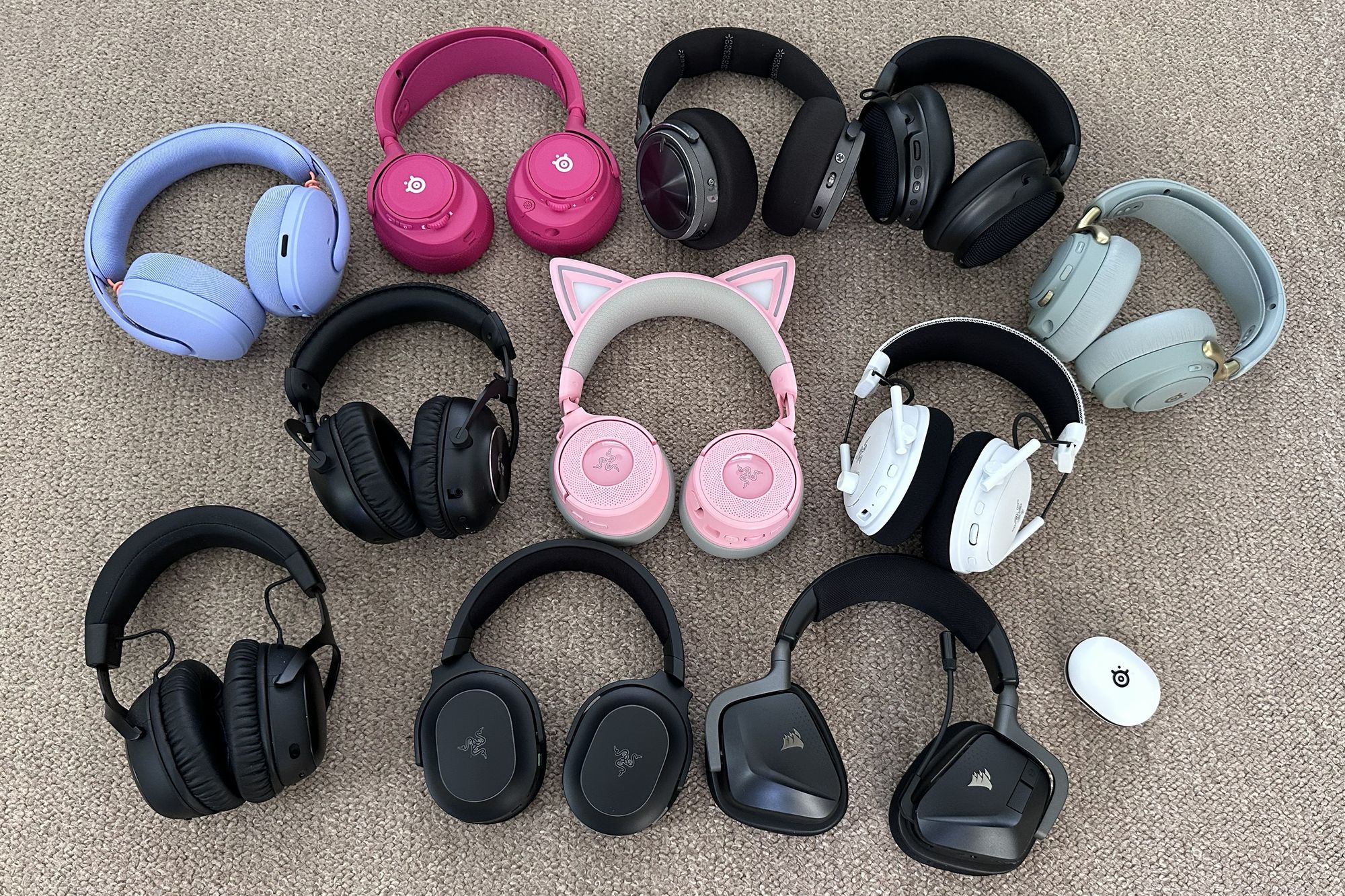
Competitive gaming has evolved far beyond casual entertainment. Modern esports and online multiplayer games demand fast reaction times, effective communication, and complete situational awareness. Players now invest heavily in high-performance equipment because even small advantages can influence results during intense gameplay sessions. While gaming keyboards, mice, and monitors often receive significant attention, one accessory plays an equally critical role: the Gaming Headset.
A quality gaming headset is more than just a device for hearing game audio. It acts as a competitive tool that helps players identify enemy positions, communicate clearly with teammates, and maintain focus during long gaming sessions. Understanding the factors involved in choosing the best gaming headset for competitive play can help users make smarter purchasing decisions and maximize the value of their gaming setup.
Why This Matters for Modern Device Users
Today’s devices have become increasingly powerful. Smartphones, gaming laptops, consoles, and desktop computers can run visually impressive games and support high-speed online experiences. However, hardware performance alone does not guarantee success.
Audio quality directly affects player awareness and reaction speed. In many competitive games, hearing footsteps, reload sounds, distant movements, or teammate callouts can determine whether a player wins or loses.
Accessories designed with features such as surround sound and noise-canceling microphones provide capabilities that standard audio devices often cannot match.
Investing in a quality Gaming Headset is also a long-term decision. A durable and well-designed headset can improve comfort, communication, and gaming performance over several years.
Key Features to Evaluate When Choosing a Gaming Headset
Not every headset delivers the same experience. Understanding essential features helps users select products that match their gaming habits and performance requirements.
Surround Sound
Surround sound is one of the most important features in a competitive Gaming Headset.
Traditional stereo audio provides left and right sound channels, while surround sound creates a wider and more immersive listening experience.
Benefits of surround sound include:
- Improved directional awareness
- Easier identification of enemy positions
- Better environmental detail
- Enhanced immersion
- Greater reaction speed
In esports titles such as first-person shooters, battle royale games, and tactical multiplayer games, precise sound positioning provides a significant advantage.
Premium gaming headsets often feature virtual surround sound technologies that simulate three-dimensional audio environments.
Noise-Canceling Microphone
Communication is critical in competitive gaming.
A noise-canceling microphone reduces unwanted background sounds and allows teammates to hear voice communication clearly.
Common background distractions include:
- Keyboard noise
- Fans
- Television sounds
- Room conversations
- Environmental noise
High-quality microphones improve team coordination and reduce frustration during multiplayer sessions.
Poor microphone quality can negatively affect teamwork and overall gameplay effectiveness.
Low Latency
Low latency is another major factor when selecting a Gaming Headset.
Latency refers to the delay between an action occurring in-game and the corresponding sound reaching the user.
High latency creates synchronization problems that can interfere with gameplay performance.
Low-latency audio improves:
- Reaction time
- Sound accuracy
- Gameplay responsiveness
- Competitive consistency
Wired gaming headsets generally offer lower latency compared to traditional wireless models, although modern wireless technology continues improving.
Comfort Padding
Competitive gamers frequently spend several hours wearing headsets continuously.
Comfort padding significantly influences long-term usability.
Features that improve comfort include:
- Soft ear cushions
- Breathable materials
- Lightweight construction
- Adjustable headbands
- Reduced clamping pressure
Poor comfort can lead to:
- Ear fatigue
- Head pressure
- Excessive heat buildup
- Reduced concentration
Even high-performance headsets lose value if users become uncomfortable during extended sessions.
Wired vs Wireless
The decision between wired and wireless designs remains one of the most common considerations.
Wired Gaming Headsets
Advantages:
- Lower latency
- No battery concerns
- Stable connection
- Consistent performance
Disadvantages:
- Limited mobility
- Cable management requirements
Wireless Gaming Headsets
Advantages:
- Greater movement freedom
- Cleaner setup
- Increased convenience
Disadvantages:
- Battery charging requirements
- Potential connection limitations
- Higher cost in some cases
The right choice depends largely on individual preferences and gaming priorities.
Top Gaming Headset Brands on the Market
Premium Tier
Premium gaming accessories prioritize build quality, audio performance, and long-term durability.
Leading companies such as Sony, Samsung, Apple, Anker, and Belkin continue producing high-quality audio products and gaming accessories.
Premium products often include:
- Superior sound quality
- Better microphones
- Durable construction
- Extended warranties
- Advanced software customization
Although premium products cost more initially, they frequently provide better long-term value.
Mid-Range Options
Mid-range manufacturers balance affordability with strong performance.
Popular brands include:
Mid-range products often deliver:
- Reliable audio quality
- Comfortable designs
- Good latency performance
- Practical feature sets
For many users, this category provides excellent value.
Budget-Friendly Picks
Budget gaming headsets can still satisfy basic gaming requirements.
When choosing lower-cost products, focus on:
- Verified user feedback
- Comfort quality
- Connection stability
- Build durability
- Basic microphone performance
Extremely inexpensive products may sacrifice quality and long-term reliability.
How to Get the Best Performance From Your Gaming Headset
Purchasing the right headset is only part of the experience.
Proper maintenance and usage habits help maximize performance.
Helpful practices include:
- Reading manufacturer instructions
- Cleaning ear cushions regularly
- Updating software and firmware
- Properly storing devices
- Avoiding excessive cable stress
Smart maintenance habits can significantly extend headset lifespan.
Common Mistakes to Avoid
Many users unintentionally reduce the effectiveness of their gaming accessories.
Common mistakes include:
- Choosing products based solely on price
- Ignoring surround sound quality
- Overlooking microphone performance
- Neglecting comfort factors
- Forgetting compatibility requirements
Avoiding these issues often results in a much better overall experience.
Compatibility Considerations
Compatibility remains an important factor when selecting a Gaming Headset.
Users should verify:
- Operating system support
- Platform compatibility
- Audio connection type
- Software requirements
- Device-specific features
Some advanced features only function correctly on supported devices.
Ignoring compatibility can create unnecessary limitations.
Future Trends in Gaming Headset Technology
Gaming accessory technology continues evolving rapidly.
Future developments increasingly focus on:
- Better battery life
- Lower latency
- AI-powered audio processing
- Advanced compatibility
- Smart customization software
Manufacturers are also investing heavily in sustainable materials and longer-lasting product designs.
Artificial intelligence may eventually optimize audio settings automatically according to gameplay situations.
Conclusion
A quality Gaming Headset has become an essential tool for competitive gaming and esports. Beyond simple audio playback, gaming headsets improve communication, increase awareness, and help players perform more effectively during demanding gameplay situations.
By understanding critical features such as surround sound, noise-canceling microphones, low latency, comfort padding, and wired versus wireless options, users can make more informed purchasing decisions.
Whether you are building your first gaming setup or upgrading an existing system, selecting the right gaming headset can dramatically improve performance, comfort, and the overall gaming experience for years to come.
